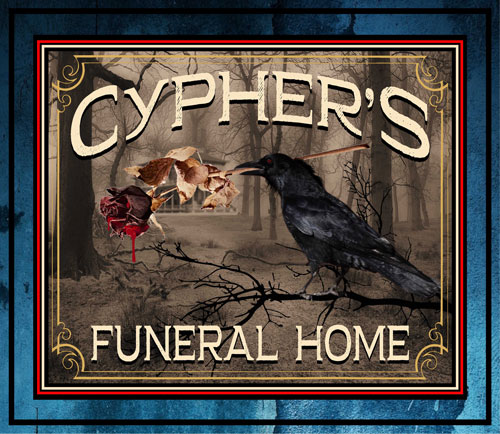
Horror escape rooms in Ulster, NY, offer a unique blend of adrenaline-pumping challenges and spine-chilling atmospheres. These immersive experiences are designed to test your problem-solving skills under pressure while navigating a storyline that could be straight out of a horror film. However, the intensity of these scenarios can sometimes lead to panic, especially among participants who are more sensitive to fear or anxiety. To ensure an enjoyable experience for everyone, here's a comprehensive guide on managing panic effectively.
Table of Contents
- Familiarize Yourself with the Concept of Escape Rooms
- Practice Breathing Techniques
- Go in a Comfortable Group
- Set Personal and Team Goals
- Embrace the Experience as a Game
- Know Your Limits
- Reflect and Learn from the Experience
What Triggers Panic in Horror Escape Rooms
Staying Safe and Sane: Horror Escape Room Etiquette
FAQ
Key Takeaways
|
Familiarize Yourself with the Concept of Escape Rooms
A horror escape room is an immersive, theme-based adventure in which participants are thrust into a gripping narrative filled with suspense, mystery, and terror. In these rooms, players find themselves locked in, surrounded by puzzles, clues, and challenges that must be solved within a specified time frame to achieve their ultimate goal of escape.
Here are some key features of horror escape rooms:
- Interactive Gameplay: Players actively engage with the environment, manipulating objects and solving puzzles to progress through the storyline.
- Thematic Design: Horror escape rooms are meticulously crafted to transport players into chilling and atmospheric settings, often inspired by classic horror tropes such as haunted houses, abandoned asylums, or sinister laboratories.
- Elevated Fear Factor: Unlike traditional escape rooms, horror variants amplify the tension with spine-tingling sound effects, dim lighting, and eerie props. Some may even incorporate live actors interacting with players, heightening the immersive experience.
- Story-driven Challenges: Every puzzle and clue within the room is intricately woven into the overarching narrative, driving a sense of urgency and intrigue as players unravel the mysteries behind their confinement.
Here’s how you can familiarize yourself with the features of escape rooms:
- Engage with the Gameplay: Actively participate in the game by manipulating objects and solving puzzles to get a real feel for how interactive the environment is.
- Explore the Theme: Visit different horror escape rooms, if possible, to experience various themes and designs. This will help you understand the range of atmospheres and settings.
- Experience the Fear Factor: Test your comfort level with the horror elements, like sound effects and dim lighting, to prepare yourself for the intensity of the experience.
- Understand the Story: Pay attention to the narrative of the escape room; recognizing how the story drives the puzzles and challenges will enhance your understanding of the game's mechanics.
- Practice Critical Thinking: Work on developing your problem-solving and critical thinking skills outside the escape room environment to improve your ability to uncover clues and solve puzzles under pressure.
Practice Breathing Techniques
In the heat of the moment, when adrenaline is pumping and tension is high, mastering breathing techniques can be your lifeline in a horror escape room. These simple yet powerful practices can help calm your nerves, clear your mind, and regain focus.
- Deep Breathing: Inhale slowly and deeply through your nose, filling your lungs with air. Hold the breath for a few seconds, then exhale slowly through your mouth, releasing any tension or stress with each breath.
- Box Breathing: Visualize a square as you breathe in for a count of four, hold for four, exhale for four, and hold again for four. Repeat this pattern several times, focusing on the rhythmic flow of your breath.
- 4-7-8 Technique: Inhale deeply through your nose for a count of four, hold your breath for seven counts, then exhale slowly through your mouth for a count of eight. This technique helps regulate your breathing and induces a sense of calm.
- Counting Breaths: Focus solely on your breath as you count each inhalation and exhalation. This mindfulness practice helps anchor you in the present moment, reducing anxiety and promoting relaxation.
Go in a Comfortable Group
The companions you choose to join you are crucial in shaping your overall enjoyment and comfort level. Opting for a group of individuals who understand your fears and can provide support when needed is paramount. Friends or family members who share your enthusiasm for the challenge can offer encouragement and create a positive atmosphere.
Here's why it's essential and how to ensure you're surrounded by the right team:
- Enhanced Communication: Comfortable groups communicate more effectively, sharing ideas and strategies to overcome challenges collaboratively.
- Shared Experience: Enjoying the horror escape room with friends or family members who understand your preferences and fears can heighten the enjoyment of the experience.
- Strength in Numbers: Facing the unknown is less daunting when you have a group of trusted individuals by your side, ready to lend a helping hand or offer encouragement.
To ensure you're in a comfortable group:
- Choose Wisely: Select friends or family members who understand your preferences and support your interests.
- Set Expectations: Communicate openly with your group about your comfort levels and boundaries before entering the room.
- Encourage Teamwork: Emphasize the importance of teamwork and collaboration, ensuring everyone feels valued and included.
- Respect Differences: Acknowledge and respect your group's diverse strengths and weaknesses, allowing each member to contribute in their way.
Set Personal and Team Goals
Personal goals provide direction and accomplishment for your group. By focusing on specific objectives, such as solving a certain number of puzzles or maintaining composure in frightening situations, you can shift your attention away from panic-inducing stimuli.
Furthermore, setting team goals promotes collaboration and unity, which can alleviate individual anxieties. Follow these tips to maximize the effectiveness of goal-setting:
- Identify Objectives: Determine what you hope to achieve personally and as a team within the horror escape room. This could include solving several puzzles, completing the room within a specific time frame, or maintaining composure in frightening situations.
- Make Goals Specific and Achievable: Ensure your goals are specific, measurable, and realistic. Break them down into smaller, actionable steps to make them more attainable.
- Communicate Goals: Share your personal goals with your team and collaborate to establish goals aligning with everyone's objectives. This promotes transparency and ensures everyone is working towards a common purpose.
- Track Progress: Keep track of your progress toward achieving your goals. Remember, the aim is to challenge yourself and have fun, not to be perfect. Celebrate small victories, like solving a difficult puzzle or overcoming a moment of panic.
Embrace the Experience as a Game
When facing a horror escape room in Ulster, NY, treating it as a game rather than a real-life threat can drastically reduce panic and enhance enjoyment. Here's how to adopt this mindset effectively:
- View it as an Adventure, Not a Threat: Instead of fixating on the horror theme, approach the experience as an exciting challenge. Think of yourself as a character in an adventure game, eager to uncover clues and solve mysteries.
- Focus on Puzzles and Tasks: Direct your attention towards the puzzles and tasks within the room. By immersing yourself in the gameplay, you divert your mind from fear-inducing elements and engage in constructive problem-solving.
- Remember the Purpose: Fun and Safety: Remind yourself that horror escape rooms are designed for entertainment purposes and are entirely safe. Knowing this can help alleviate concerns about real danger, allowing you to fully enjoy the adrenaline rush without succumbing to panic.
Know Your Limits
It's important to know your limits and communicate them to your team and the game master. Not knowing your limits can lead to overwhelming panic, stress, and potential safety risks.
Here's how to navigate this tip effectively:
- Recognize Triggers: Identify specific elements or situations that trigger anxiety or discomfort for you, such as darkness, loud noises, or jump scares.
- Communicate Conditions: If you have pre-existing medical conditions or sensitivities, communicate them to your team beforehand. This ensures they are aware of any potential risks and can adapt accordingly.
- Monitor Reactions: Listen to your physical and emotional responses during the game. If you start feeling overwhelmed, experience panic attacks, or have difficulty breathing, it may be a sign to take a step back.
- Trust Your Instincts: Listen to your instincts and prioritize your well-being. Opting out of certain tasks or asking for assistance, regardless of peer pressure is okay.
Reflect and Learn from the Experience
After completing a horror escape room, reflecting on the experience can be invaluable for personal growth. Reflecting allows you to gain insights into your performance, reactions, and teamwork dynamics, leading to a more enriching experience in future escape rooms.
Here's how to make the most of this experience:
- Consider Challenges: Reflect on the specific challenges you encountered during the game. Were there puzzles that stumped you? Moments of heightened fear or anxiety?
- Identify Personal Growth: Take note of how you responded to challenges. Did you remain calm under pressure or struggle to control your emotions?
- Discuss with the Team: Share your thoughts and observations with your team members. How did they perceive your reactions? What insights did they gain from the experience?
- Apply Lessons: Think about how you can apply the lessons learned in the escape room to real-life situations. Did you discover new coping mechanisms for managing stress and anxiety?